
After a Wisconsin winter, most homes are carrying more than they look like they are. Salt tracked in on boots, dry indoor air that’s been recirculating for months, windows that haven’t been opened since November—spring cleaning isn’t just tradition, it’s genuinely the first real chance most homes get to reset. The hard part isn’t knowing what to clean. It’s knowing where to start and how much time to actually set aside.
This guide breaks spring cleaning down room by room, in the order that actually makes sense for a Green Bay or Madison home, plus what to prioritize if you’re short on time. Feel free to print this checklist and check off each room as you go—it’s easier to stay on track with a physical list than trying to remember which rooms you’ve already covered.
What You’ll Need
- Microfiber cloths — multiple, since you’ll want separate ones for kitchens, bathrooms, and dusting.
- A vacuum with a HEPA filter — for carpets, upholstery, and baseboards.
- Mild dish soap and white vinegar — the base for most all-purpose cleaning solutions.
- Baking soda — for scrubbing without scratching, especially in kitchens and bathrooms.
- An extendable duster — for ceiling fans, light fixtures, and high corners.
- Rubber gloves and a few empty boxes or bins — for decluttering as you go.
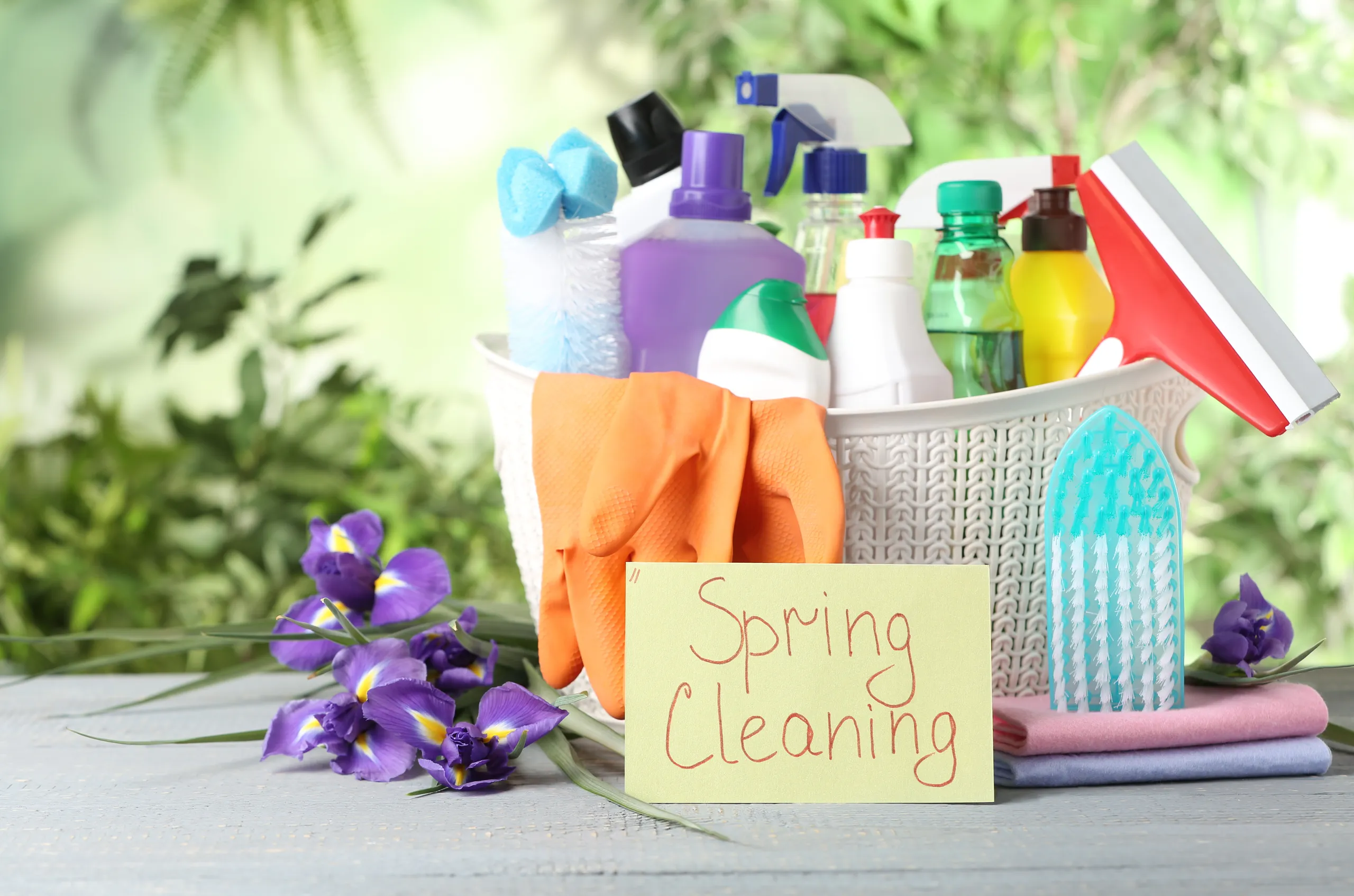
How to Prioritize Your Spring Cleaning
Most spring cleaning checklists list every room as equally urgent, which is part of why they’re overwhelming. In practice, some rooms matter more right away than others—kitchens and bathrooms affect hygiene daily, while a guest room closet can wait a weekend or two without anyone noticing.
| Room | Why It’s a Priority | Typical Time Needed |
|---|---|---|
| Kitchen | Highest daily use, biggest hygiene impact | 2–3 hours |
| Bathrooms | Moisture and grime build up fastest here | 1–2 hours each |
| Bedrooms | Bedding and dust affect sleep and allergies | 1–2 hours each |
| Living areas | High visibility, moderate dust accumulation | 1–2 hours |
| Closets and storage | Lower urgency, mostly decluttering | 1+ hour, can spread over weeks |
If you only have one weekend, focus on the kitchen and bathrooms first. Everything else can be spread out over the following weeks without the house feeling neglected.
Kitchen Deep Clean
Start high and work down. Wipe the tops of cabinets and the range hood, where grease and dust settle together into a film that’s easy to miss at eye level. Pull out the fridge and stove if you can manage it, and clean behind and underneath both—this is the spot most people skip every single time. Empty and wipe down cabinet interiors, check expiration dates while you’re in there, and finish with countertops, backsplash, and the sink last, since that’s where everything you just cleaned gets rinsed off your cloth.
Bathroom Deep Clean
Bathrooms need attention to the spots that don’t get touched during regular cleaning: behind the toilet, the exhaust fan cover, and the grout lines in the shower. A baking soda paste handles soap scum and grout discoloration without scratching tile. Wash the shower curtain or liner, wipe down cabinet interiors, and don’t forget the inside of the medicine cabinet, since that’s usually the most cluttered and least-cleaned spot in the whole room.
Bedrooms and Closets
Strip all the bedding, including mattress covers and pillow protectors, and wash everything in hot water. Flip or rotate the mattress if it’s the type that allows it, and vacuum both sides while it’s exposed. Dust nightstands, headboards, and any shelving, then move to the closet: pack away winter coats and boots, and take the chance to actually look at what’s in there before putting it all back the same way it came out.
Living Areas
Vacuum upholstery before wiping down hard surfaces, so any dust that gets knocked loose from the couch or curtains lands somewhere you’re about to clean anyway. Dust light fixtures, ceiling fan blades, and window sills, and give windows an inside wash now that the weather allows the outside to be done too. If your walls have picked up scuffs or handprints over the winter, our guide on how to clean walls in your house covers the right method by paint finish so you don’t end up doing more damage than good.
Don’t Forget: Air Quality and Allergens
A house that’s been closed up all winter tends to have more dust mites, pet dander, and trapped allergens circulating than most people realize. The EPA’s guide to indoor air quality specifically notes that washing bedding in hot water (130°F) and keeping surfaces free of dust are two of the most effective ways to reduce allergen exposure at home, since larger allergen particles settle onto fabric and surfaces faster than they can be filtered from the air.
Replacing your HVAC filter as part of spring cleaning matters for the same reason—a filter that’s been working through a closed-up winter is usually overdue, and a fresh one makes a noticeable difference in how the house feels once the windows start opening again.
Spring Cleaning Supply Checklist
| Supply | Used For |
|---|---|
| Microfiber cloths | Dusting, wiping surfaces, glass and mirrors |
| HEPA vacuum | Carpets, upholstery, mattresses, baseboards |
| Dish soap and vinegar solution | General surfaces, kitchen grease, glass |
| Baking soda | Grout, soap scum, stubborn stains |
| Extendable duster | Ceiling fans, light fixtures, high corners |
When a Deep Clean Is Worth Hiring Out
Some springs, the house needs more than a weekend can realistically cover—especially if last year’s spring cleaning didn’t happen, or the to-do list keeps growing every time you open another closet. Badger Luxe Cleaning’s deep cleaning service covers exactly this kind of reset, and our background-checked team uses eco-friendly products that are safe around kids and pets. If you’d rather not start from scratch every spring, folding a deep clean into a recurring cleaning plan keeps the house at this level year-round instead of playing catch-up once a year.
Call (920) 777-9609 or get a free quote online, and we’ll build a plan around what your home actually needs this spring.
FAQ
How long does a full spring cleaning take?
For an average home, plan on a full weekend for the kitchen and bathrooms alone, with bedrooms, living areas, and closets spread across the following one to two weeks. Trying to do everything in a single day usually means rushing the parts that matter most.
What should I clean first when spring cleaning?
Start with the kitchen and bathrooms. They have the biggest daily impact on hygiene and tend to accumulate the most grime over winter, so tackling them first gives you the most noticeable payoff for the time spent.
Do I need special products for spring cleaning, or will regular cleaners work?
Regular cleaners work fine for most of it. A few extras—baking soda for grout and stains, a HEPA vacuum for allergens, and an extendable duster for high spots—make the deep-clean parts easier, but you don’t need anything specialized beyond that.
Is spring cleaning really necessary if I clean regularly throughout the year?
Regular cleaning keeps a home tidy, but it usually skips the spots spring cleaning is built for—behind appliances, under furniture, inside cabinets, and mattress rotation. A typical daily, weekly, and monthly house cleaning schedule is designed for upkeep, not for the deeper reset spring cleaning covers, so even a well-maintained home benefits from one thorough pass a year to catch what routine cleaning misses.