
In Madison, WI, a move-out inspection is the formal process where a landlord or property manager walks through a rental unit to evaluate its physical condition before returning the security deposit. To guarantee a smooth transition and secure your full deposit, you should always request a preliminary walkthrough 10 to 14 days before your move-out date. This early inspection identifies required repairs or deep cleaning needs, giving you a window to resolve issues yourself or hire professional assistance. For tenants, a clean handoff means avoiding costly deposit deductions; for landlords, it minimizes vacancy times. The inspection compares the property’s current state to its initial move-in condition, governed by Wisconsin’s security deposit regulations. Let us look at exactly what happens during this walkthrough, how local laws apply, and how you can prepare to protect your financial interests.
Key Takeaways for Madison Rental Inspections
- The 21-Day Deadline: Under Wisconsin law, landlords must return security deposits or provide an itemized list of deductions within 21 days of a tenant vacating the unit.
- Wear vs. Damage: Landlords cannot deduct for normal wear and tear, such as minor wall scuffs or light carpet wear, but can charge for actual damage like large drywall holes.
- Pre-Inspections are Essential: Booking a preliminary walkthrough 7 to 14 days before move-out provides tenants with a clear list of items to fix or clean, eliminating surprises.
- Photo Documentation: Clear, timestamped photos taken during both move-in and move-out serve as one of the best defenses against unfair security deposit disputes.
- Professional Cleaning Standard: Using a professional cleaning service is often a reliable way to meet the cleanliness standard expected in Madison leases.
What Is a Move-Out Inspection Checklist?
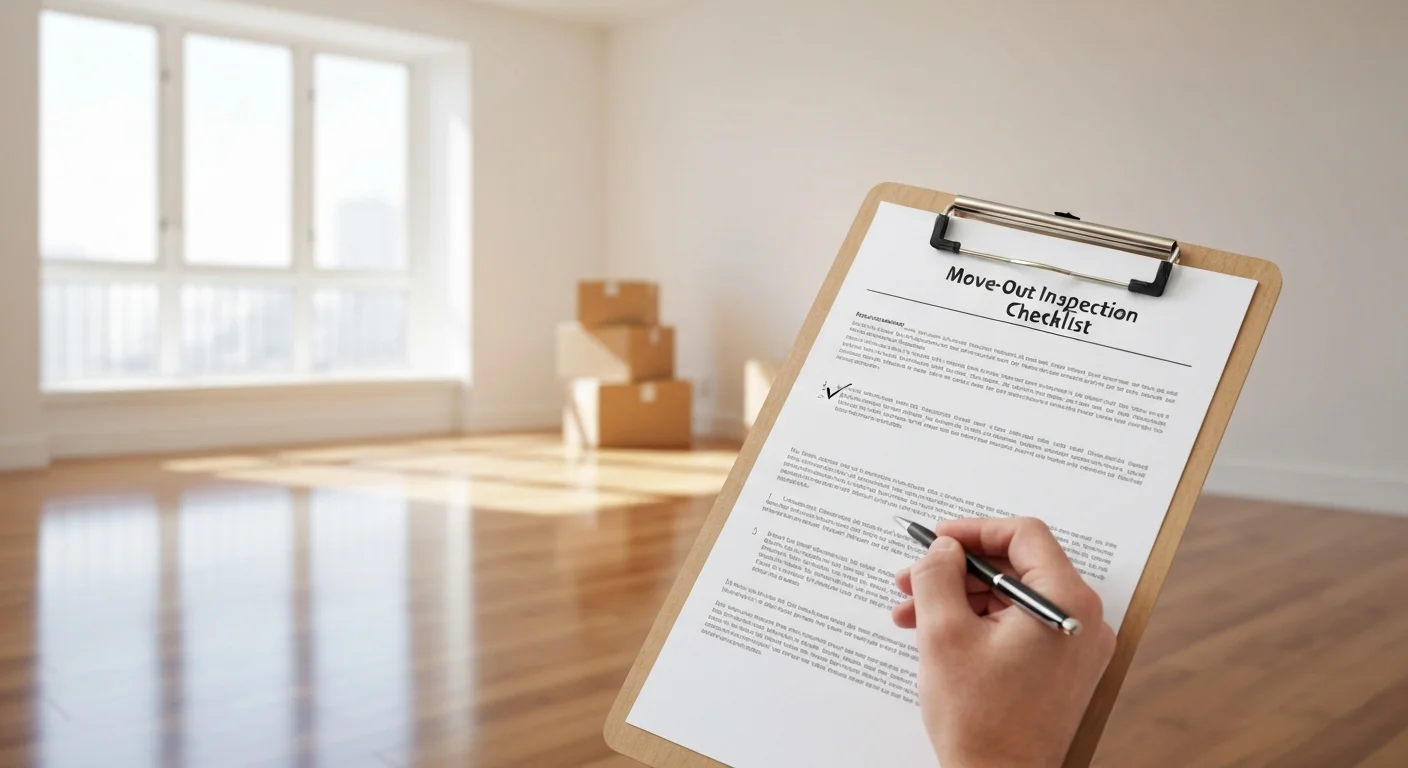
A move-out inspection checklist is a room-by-room document used by landlords and tenants to verify and record the physical condition of a rental property when a lease ends. It compares the home’s current state to its original move-in condition so any security deposit deductions are accurate and fair. This document serves as a practical buffer, translating the subjective state of a property into objective, recorded facts. Security deposit disagreements are a common source of landlord-tenant disputes in Wisconsin, which is exactly why having a detailed, signed checklist helps both parties avoid drawn-out conflicts.
The checklist works best when it mirrors the move-in check-in sheet that Wisconsin landlords are expected to provide at the start of a tenancy. During the final walkthrough, the inspector examines everything from the ceiling light fixtures down to the baseboards, noting any changes that occurred during the lease. If a tenant has their original check-in sheet, they can easily prove that a pre-existing stain or wall crack was already present when they took possession of the unit. Without this baseline comparison, the move-out checklist is open to interpretation, which often leads to disagreements over who is responsible for specific repairs.
For a checklist to hold weight in a dispute, it must be highly specific. Vague terms like “clean” or “dirty” are replaced with detailed descriptions, such as “three small nail holes in north living room wall” or “oven interior coated in grease.” It is also an industry best practice for both parties to walk the property together. This ensures that any issues are observed simultaneously, preventing situations where a landlord discovers “damage” after a tenant has already handed over the keys and left the premises.
How to Use a Move-Out Inspection Checklist as a Madison Renter
Moving out of an apartment or house in Madison can feel like a race against the clock. To take control of the situation, savvy renters use the move-out inspection checklist proactively. The smartest strategy is to ask your landlord for a preliminary, informal walkthrough 10 to 14 days before your actual lease termination date. This gives you a clear checklist of what the landlord expects and allows you to address those issues without rushing. For example, if the landlord points out a stain on the carpet or grease build-up in the oven, you have plenty of time to purchase the right cleaning agents or schedule a professional move-out cleaning service.
Under typical Wisconsin leases, the standard expected of tenants is “broom clean.” This means floors are swept or vacuumed, trash is completely removed, and surfaces are wiped down. However, many property managers in Madison’s competitive student and professional markets enforce stricter cleaning expectations in the lease text itself. To protect your deposit, always take high-resolution, timestamped photos of the entire unit once it is empty, specifically focusing on the insides of appliances like ovens, refrigerators, and microwaves. These photos serve as undeniable proof of the condition in which you left the property.
It is also important to pay attention to the details landlords commonly check closely during a final walkthrough. Baseboards, ceiling fan blades, and inside cabinet corners are easy to overlook but easy for an inspector to spot. If you find any minor damage that occurred during your stay, such as a loose cabinet handle or a small drywall scuff, resolve it before the final walkthrough. Taking these small steps shows the landlord that you respected the property, which often leads to a much smoother inspection and a faster return of your security deposit.
Rental Walkthrough Guidelines: What Madison Landlords Look for
Madison property managers oversee a high volume of turnovers, especially during the lease cycles tied to the local student rental market. For landlords, a standardized rental walkthrough is about protecting a valuable real estate investment. Landlords are expected to follow the guidelines set in Wisconsin ATCP 134. One of the most important requirements is the 21-day window: landlords must deliver the security deposit balance, along with an itemized statement of any deductions, within 21 days after the tenant surrenders the premises. If a landlord fails to meet this deadline or improperly deducts for normal wear and tear, Wisconsin tenants may be entitled to additional compensation under state law, which is part of why precision during the inspection matters for both parties.
Establishing clear, objective standards for wear and tear also helps reduce disputes and speeds up the turnaround between tenants. In Wisconsin’s cold climate, inspectors pay special attention to winter-related wear. For example, light salt residue tracked onto entryway flooring near the front door during a winter move-out is generally considered normal wear. However, water staining, warping on hardwood floors, or mold near baseboards from wet boots left sitting in one spot for an extended period is more likely to be classified as tenant-caused damage, which landlords can deduct from the deposit.
Additionally, landlords will verify that all keys, fobs, and garage door openers are accounted for and functional. They will test every appliance to ensure it runs safely and check that no unauthorized modifications—such as painted accent walls or heavy-duty wall anchors—were left behind. A thorough inspection protects the landlord’s asset and ensures the unit is safe and welcoming for the next incoming tenant.
Apartment Move-Out Inspection Checklist: Room-by-Room Walkthrough
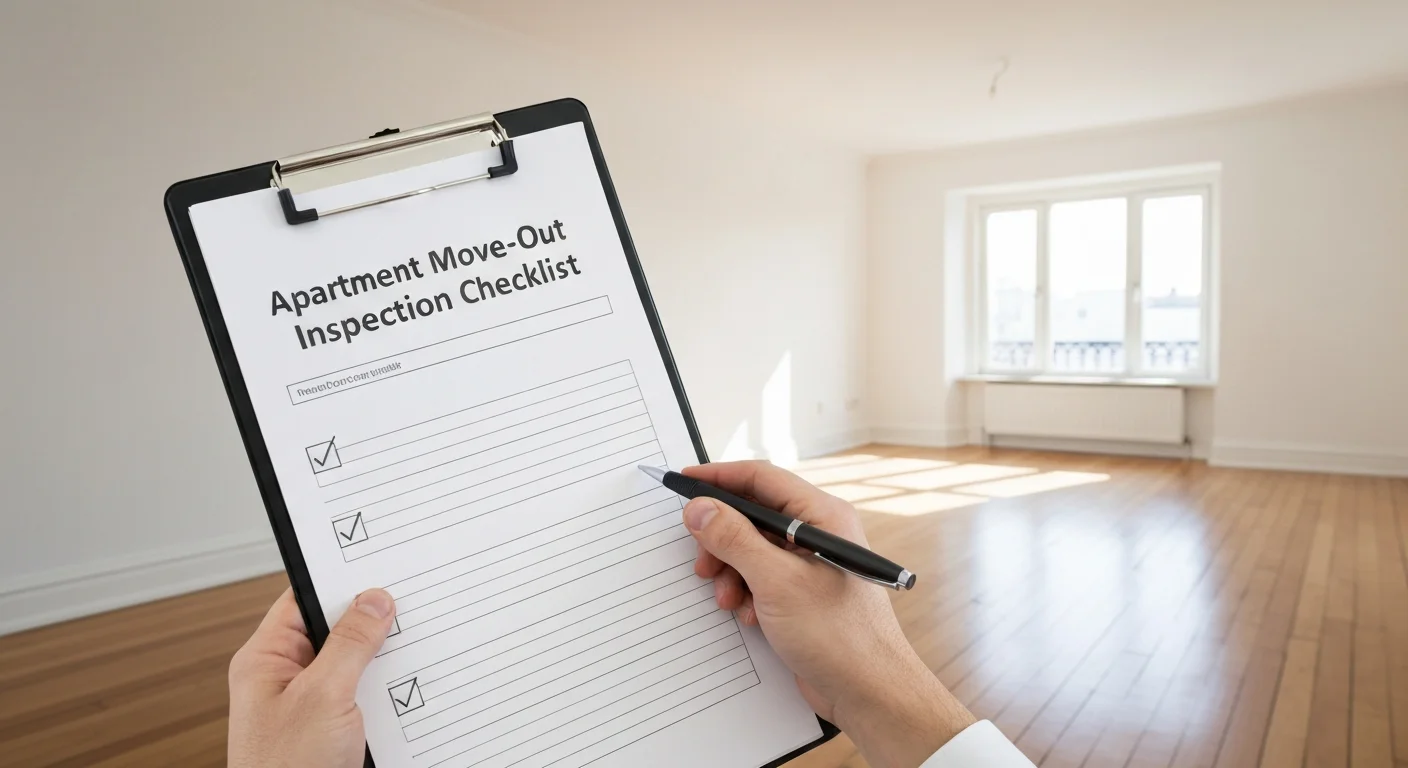
A structured, room-by-room walkthrough is the most efficient way to ensure nothing is missed during the move-out process. By dividing the rental unit into specific zones, both landlords and tenants can systematically evaluate the property’s condition and document any issues. Below is a comprehensive walkthrough framework designed for Madison rentals.
1. Kitchen Checklist
The kitchen is historically the room where tenants lose the largest portion of their security deposit due to missed cleaning details. When inspecting the kitchen, landlords check the oven and range for baked-on carbon grease and food debris. All drip pans must be clean, and the oven door glass should be free of grease film. The refrigerator and freezer must be fully defrosted, wiped clean, and completely empty of food residue and odors. Take out all drawers and clean behind them. Cabinets and drawers should have all shelf liners removed and be wiped free of dust and sticky spills. Sinks, countertops, and backsplashes must be scrubbed, with faucet aerators cleared of hard water deposits. Finally, run the garbage disposal with cold water to ensure it is clear, and verify that the dishwasher has no standing water or food traps left clogged.
2. Bathrooms Checklist
High moisture levels in bathrooms mean inspectors will look closely for mold, mildew, and water damage. The bathtub, shower stall, and surrounding grout must be entirely free of soap scum, hard water minerals, and pink mold. Check the shower door tracks, as these are frequently overlooked and collect dirt easily. The toilet must be fully sanitized inside and out, including the base, tank lid, and hinge areas. Ensure there are no leaks around the wax ring at the toilet’s base. The vanity cabinet and drawers should be cleaned inside, the mirror polished to a streak-free shine, and the sink faucet checked for consistent water flow and drainage. Finally, turn on the ventilation fan to make sure it is operating quietly and is free of accumulated dust, which can restrict airflow and cause motor burnouts.
3. Living Spaces & Bedrooms Checklist
Living areas and bedrooms require close attention to structural surfaces and cosmetic finishes. Inspectors will walk the perimeter of each room to examine the walls and trim. While minor scuffs and tiny holes from small picture nails are acceptable wear, large drywall gouges or unauthorized paint colors will result in repair charges. All electrical outlet covers and switch plates must be clean, unbroken, and present. For flooring, carpets should be thoroughly vacuumed. If you lived in a pet-friendly apartment, some Madison property management companies request professional carpet cleaning at move-out — though under Wisconsin law, this can only be charged if it goes beyond routine carpet maintenance, not as an automatic lease fee. Hardwood, laminate, or tile floors must be swept clean and damp-mopped to remove dirt. Dust all windows, clean the window tracks of dead insects and dirt, and inspect the window screens for rips. Blinds must be dusted and fully functional, meaning they raise, lower, and tilt correctly. Don’t forget to wipe down closet shelves and remove all hangers and stray items.
4. Safety & Utilities Checklist
Safety fixtures and utility controls are critical components of the final rental walkthrough. All smoke detectors and carbon monoxide alarms must be tested to confirm they are functional. If a battery is dead or chirping, replace it before the walkthrough to avoid a replacement fee. For HVAC systems, tenants should replace the furnace air filter with a fresh one of the correct size. If you are moving out during the colder months in Wisconsin, avoid turning the heating system off completely — keeping it set to a safe, low temperature can help prevent pipes from freezing while the unit sits vacant.
Step-by-Step Guide: Executing the Walkthrough Process
To ensure the final walkthrough goes smoothly, both parties should follow a logical, step-by-step process. This prevents rushed decisions and ensures that all documentation is completed accurately before keys are exchanged.
- Schedule the Walkthrough: Set a specific date and time for the inspection, preferably during daylight hours when natural light makes it easier to spot damage and cleanliness issues.
- Bring Your Documentation: Both parties should bring copies of the original move-in check-in sheet, the lease agreement, and a blank move-out checklist.
- Test Systems and Utilities: Walk through each room together, turning on light switches, testing faucets, flushing toilets, and turning on appliances to verify they operate correctly.
- Document and Take Photos: Write down detailed notes on the checklist for any discrepancies. Take clear photos of any areas where damage is noted, using a physical object (like a coin) for scale if necessary.
- Sign and Date the Checklist: Once the inspection is complete, both the landlord and tenant should sign and date the completed move-out document, and each party should retain a copy for their records.
Normal Wear and Tear vs. Tenant Damage in Madison Rental Properties
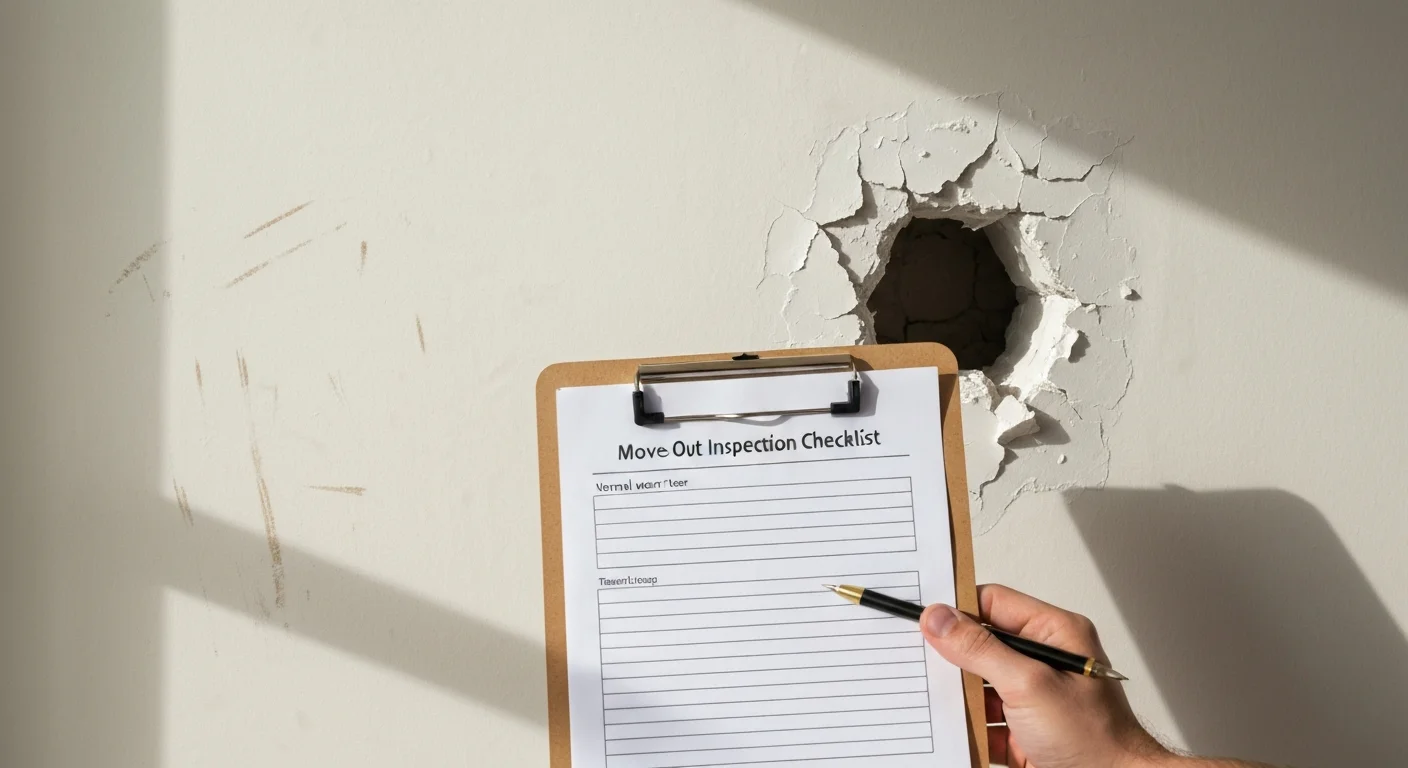
The boundary between normal wear and tear and actual tenant damage is the source of almost all security deposit conflicts. Under Wisconsin law, normal wear and tear is defined as the natural, expected deterioration of a property that occurs when a tenant uses it in a reasonable, non-negligent manner. For example, carpet fibers naturally flatten over a few years in high-traffic hallways, and paint naturally fades when exposed to the bright sunlight of south-facing windows. On the other hand, tenant damage results from abuse, negligence, or accidents. A large stain in the middle of a bedroom carpet or a door split from being slammed are clear examples of tenant damage. Landlords are generally responsible for the costs of painting and carpet wear that occur over time, but they can pass the cost of repairing actual damage directly to the tenant.
Rental turnover is a regular part of operating in a high-density market like Madison, which means landlords build ordinary wear and tear into the cost of doing business between leases. The comparison table below outlines the most common distinctions made during a final inspection to help clarify who is responsible for specific property features.
| Property Feature | Normal Wear & Tear (Landlord’s Cost) | Tenant-Caused Damage (Deducted from Deposit) |
|---|---|---|
| Walls & Paint | Minor scuffs from daily life, small nail holes from hanging wall art, fading paint from sunlight. | Large drywall holes, unauthorized paint colors, heavy crayon or marker drawings, tape residue that tears drywall paper. |
| Carpets & Flooring | Light wear in high-traffic hallways, minor indentations where heavy furniture sat. | Pet urine stains, cigarette burns, ripped or shredded carpet fibers, deep hardwood gouges from dragging furniture. |
| Tile & Grout | Dingy grout lines from age, slight hairline cracks in old tile foundations. | Broken, cracked, or missing tiles from dropped heavy items, chipped ceramic finishes. |
| Plumbing | Worn washers causing minor drips, mineral build-up from Madison’s hard water. | Clogged drains from cooking grease or flushed feminine products, cracked sink basins, broken toilet tanks. |
| Appliances | An oven heating element burning out over time, minor shelf wear in the refrigerator. | Broken refrigerator door shelves, dented stainless steel panels, cracked glass stovetops. |
How to Prepare for Your Move-Out Inspection
Preparing for a move-out inspection while packing up your entire life is an incredibly stressful experience. Many tenants underestimate the sheer volume of labor required to clean an entire apartment to a professional standard. This is why outsourcing the work to a specialized move-out cleaning service is one of the most reliable ways to guarantee your deposit is returned. Professional cleaners understand exactly what property managers look for during a rental walkthrough. They have the specialized tools and commercial-grade, eco-friendly products required to lift stubborn carbon from oven walls and eliminate hard water stains from glass shower doors.
If you are trying to understand the financial side of this choice, you can read our comprehensive analysis on what move-out cleaning typically costs to budget effectively. While pricing varies depending on the size of the unit and the level of buildup, investing in professional help often pays for itself by securing the return of a security deposit worth thousands of dollars. It also saves you hours of exhausting physical labor during an already busy moving week.
At Badger Luxe Cleaning, we connect you with a network of background-checked, vetted independent cleaning contractors who handle end-of-lease deep cleans throughout the Madison area. Whether you need a comprehensive, top-to-bottom reset or a customized plan tailored to your lease’s specific requirements, we offer flexible scheduling with no forced long-term contracts. Even better, you can take advantage of our current promotion to receive $50 off your first cleaning service, ensuring your rental is spotless and your landlord has no reason to withhold your security deposit. Give us a call at (920) 777-9609 or book online to secure your slot today.
FAQ
What is a move-out inspection checklist?
It is a room-by-room document used to evaluate the physical condition of a rental property before a tenant hands back possession to the landlord. It helps both sides agree on what is wear and tear versus what needs to be cleaned or repaired.
How do you do a pre-move-out inspection?
Schedule a walkthrough with your landlord or tenant 10 to 14 days before the official move-out date. Walk through every room together with a checklist, noting anything that needs to be cleaned, patched, or repaired before the final day.
Which is better for move-out cleaning: DIY or hiring a professional service?
DIY cleaning is cheaper upfront, but hiring a professional service offers peace of mind and saves hours of physical labor. Professional cleaners know exactly what property managers look for, making it easier to secure your full security deposit return.
When should a landlord schedule the final move-out inspection?
In Wisconsin, the final inspection is typically scheduled on the day the tenant vacates and returns the keys, or shortly afterward once the unit is fully empty.
Is a move-out inspection checklist legally binding in Wisconsin?
When both the landlord and tenant walk the property together and sign and date a completed checklist, it serves as a documented, agreed-upon record of the property’s condition, which can support either side if a dispute arises later.
Can a landlord charge a tenant for cleaning if the apartment was already clean?
A landlord can only charge for cleaning if the property was left below the cleanliness standard specified in the lease. Having timestamped photos of the clean, empty unit protects tenants from unfair or duplicate cleaning charges.