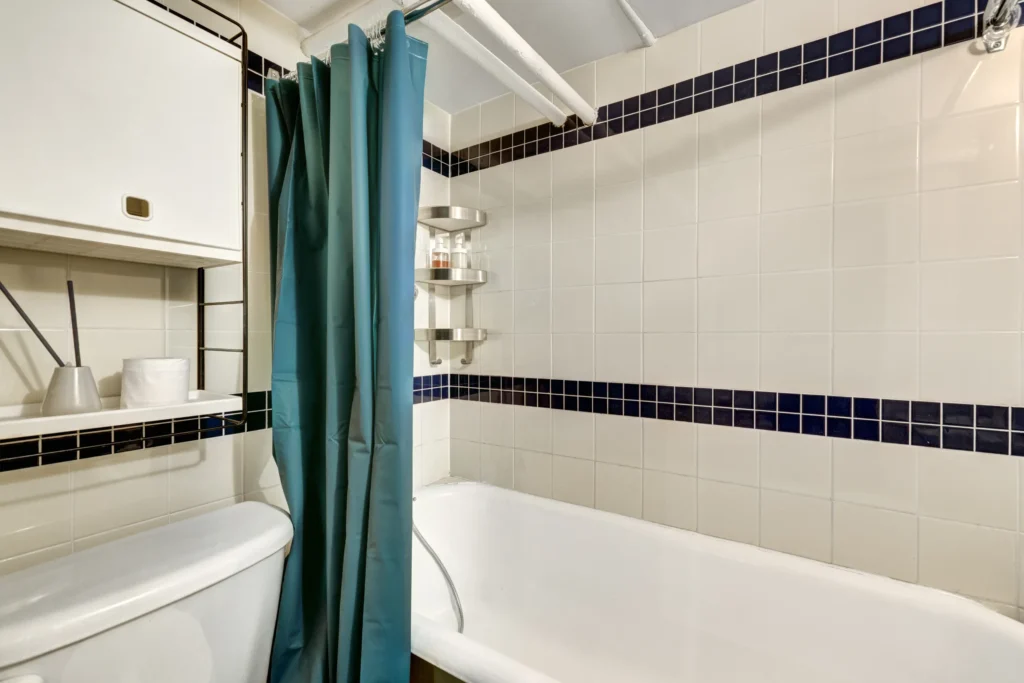
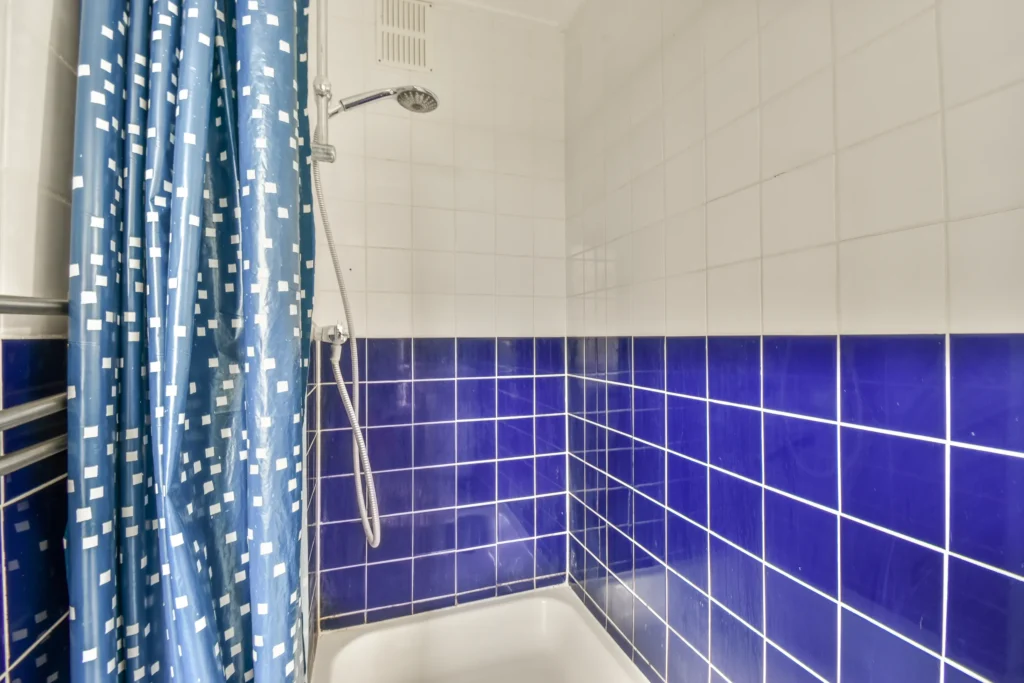
The Relatable Frustration of Shower Curtain Mold
We’ve all been there, you step into the bathroom, ready for a hot shower, and that telltale smell hits you. You glance at your shower curtain, and there it is: little black or green patches creeping along the bottom. Shower curtain mold isn’t just unsightly; it’s a nuisance that can affect your home’s hygiene and even your health.
In Green Bay, WI, where humidity can linger in bathrooms during winter, mildew can sneak up faster than you’d think. Knowing how to get mold out of a shower curtain can save you time, frustration, and maybe even a little money. Whether you’re dealing with a fabric curtain, vinyl, or a mold-resistant shower curtain, I’ve got practical steps that actually work.
Why Removing Mildew from Shower Curtains Matters
Mold and mildew may seem harmless at first, but they can cause a few unpleasant surprises:
- Health risks: Mold spores can trigger allergies, asthma, or respiratory irritation.
- Unpleasant odors: That damp, musty smell can linger long after a shower.
- Aesthetic concerns: No one wants a bathroom curtain dotted with dark spots, it just feels unclean.
- Hygiene and prevention: Regular cleaning prevents mold growth from spreading to tiles, grout, or shower floors.
A clean shower curtain isn’t just about looks, it’s about feeling comfortable and safe in your own home.
Types of Shower Curtains and How They Differ
Cleaning strategies depend a lot on the type of curtain you have:
- Fabric curtains: Cotton, polyester, or blends. They can often be machine-washed but may require extra care for delicate fabrics.
- Plastic or vinyl curtains: More water-resistant, but mold can cling to folds or the bottom edges. Some are mold-resistant, which slows growth but doesn’t make them immune.
Knowing your curtain type is the first step to keeping it fresh and mold-free.
What You’ll Need to Remove Mildew
Before diving in, gather your tools. You don’t need a lab, just a few practical supplies you probably have at home:
- White vinegar
- Baking soda or borax
- Hydrogen peroxide
- Chlorine bleach (optional for tough stains)
- Laundry detergent
- Soft brushes or old toothbrushes
- Rubber gloves
- Towels for drying
Having everything ready makes the process smoother and less messy.
How to Remove Mildew from Fabric Shower Curtains
Step 1 — Machine-Wash Method
- Remove the curtain and liner.
- Toss it in the washing machine with laundry detergent.
- Add a cup of white vinegar or half a cup of baking soda for extra mold-fighting power.
- Wash on a warm cycle.
Step 2 — Hand-Wash Method
If the curtain is delicate:
- Fill the bathtub with warm water and detergent.
- Add a cup of vinegar or a few tablespoons of baking soda.
- Gently scrub affected areas with a soft brush.
Step 3 — Drying and Handling Post-Cleaning
- Hang the curtain immediately to dry fully.
- Avoid folding or leaving damp, as this encourages mildew regrowth.
How to Remove Mildew from Plastic or Vinyl Shower Curtains
Step 1 — Machine-Wash Method (if applicable)
- Some vinyl curtains can be machine-washed; check the label.
- Use warm water, detergent, and a cup of vinegar.
Step 2 — Hand-Wash Method with Soaking
- Remove the curtain and lay it in a bathtub or large basin.
- Mix warm water with vinegar or a mild bleach solution.
- Let it soak 30–60 minutes.
- Scrub any moldy spots gently.
Step 3 — Rinse and Dry Properly
- Rinse thoroughly to remove any cleaning solution.
- Hang to air dry completely before reinstalling.
Deep Cleaning for Stubborn Mildew
Sometimes, mildew is persistent, and a simple wash isn’t enough. Here’s what works:
Detaching the Shower Curtain for Thorough Cleaning
- Take down the curtain and hooks for full access.
Soaking Overnight or Extended Period
- Fill a tub with warm water, vinegar, and baking soda.
- Let the curtain soak overnight to break down stubborn mold.
Scrubbing Hard-to-Reach Areas
- Use an old toothbrush for folds, hems, or corners where mold hides.
Testing and Reinstalling
- Make sure the curtain is completely dry.
- Inspect for lingering stains, repeat cleaning if necessary before rehanging.
Tips to Prevent Mildew and Keep Curtains Cleaner Longer
- Always hang curtains fully open after showers to dry.
- Wash or wipe down curtains regularly.
- Consider using a mold-resistant shower curtain for bathrooms with higher humidity.
- Keep the bathroom ventilated—fans, open windows, or dehumidifiers help.
- Regularly check the bottom edges and folds where water collects.
When to Replace Your Shower Curtain
Even with the best care, some curtains just won’t come fully clean. Replace when:
- Mold stains remain after multiple cleaning attempts.
- Fabric is worn, torn, or discolored.
- Vinyl is brittle or cracking.
A fresh curtain instantly brightens a bathroom and reduces maintenance headaches.
Final Thoughts
Author
-
Graymond Santos writes the blog posts for Badger Luxe Cleaning, sharing practical tips and creative insights on cleaning and organization. He studied Electronics Engineering for two years at the Technological University of the Philippines in Manila and graduated with honors from Cavite National High School under the Science, Technology, Engineering, and Mathematics (STEM) strand. As part of a group, he contributed to Viajero, a Best Research Award-winning app that celebrates innovation, technology, and the history of Cavite. A lifelong writer and former student journalist with a focus on science and technology, Graymond brings curiosity, creativity, and thoughtful perspective to every post.