Cleaning Services — Blog — How to Remove Rust From Metal Using Vinegar & Other Tested Methods
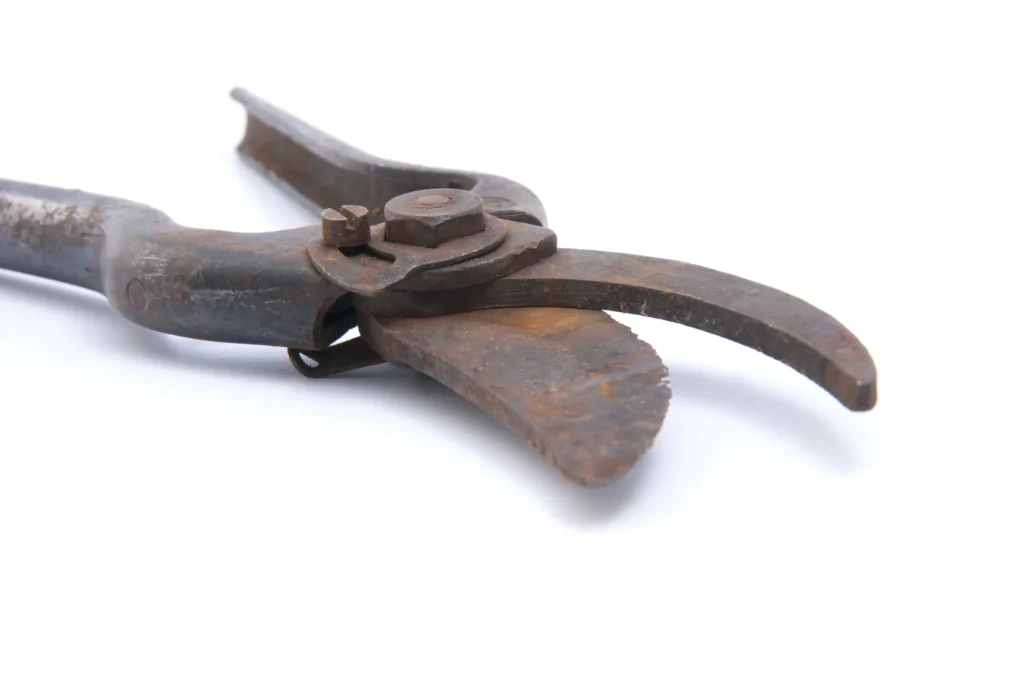
There’s a specific kind of heartbreak that happens when you pull out your favorite cast iron skillet or a trusty set of garden shears, only to find that stubborn, flaky orange crust taking over. Living here in Green Bay, WI, we’re no strangers to moisture. Whether it’s the humid summer air or the salty slush of a Wisconsin winter, oxidation is just a part of life.
Rust isn’t just a stain; it’s a chemical reaction. But the good news is, you don’t need a lab or harsh industrial chemicals to fix it. Most of the time, the secret to how to remove rust from metal is sitting right in your kitchen pantry.
At Badger Luxe Cleaning, we’re big believers in solutions that are as kind to your home as they are effective. Let’s dive into how you can restore your metal pieces without losing your mind, or your eyebrows, to toxic fumes.
What Is Rust and What Causes It
In simple terms, rust is what happens when iron, oxygen, and moisture decide to have a party you weren’t invited to. Technically called iron oxide, it’s a process where the metal literally starts to break down and return to nature.
In a place like Green Bay, WI, our appliances and tools face an uphill battle. If you’ve ever wondered how to get rid of rust, you first have to realize that moisture is the catalyst. It’s why that old bike in the garage or the metal legs of your patio furniture seem to “catch” rust so easily. Once it starts, it’s like a slow-motion fire, it keeps eating away at the metal until you stop the reaction.
Why It’s Best to Avoid Harsh Chemical Rust Removers
It’s tempting to grab the strongest bottle of “Rust-Away-9000” from the hardware store, but those often contain hydrofluoric or phosphoric acid. As someone who appreciates the intersection of science and safety, I find those a bit overkill for most household tasks.
Fumes: They can irritate your lungs and eyes almost instantly.
Surface Damage: Strong acids can “eat” more than just the rust, potentially pitting or weakening the metal itself.
Environmental Impact: Rinsing those chemicals down the drain isn’t great for our local waterways.
Cost: Why spend $20 on a specialized chemical when a $3 gallon of vinegar does the trick?
What to Know Before Removing Rust From Metal
Before we get our hands dirty, a little prep work goes a long way.
Assess the Depth: Is it surface rust or structural? If the metal is flaking off in chunks, cleaning might not be enough.
Clean the Surface: Use a bit of dish soap to remove grease first. Rust removers work best when they touch the oxidation directly.
Safety First: Even with natural methods, wear gloves. Rust can be sharp.
Test a Spot: If you’re trying to remove rust from stainless steel, test your method on a hidden area first to ensure it doesn’t dull the finish.
Why Vinegar Works for Rust Removal
This is where my inner science nerd gets excited. Vinegar contains acetic acid. When you use vinegar to remove rust, the acid reacts with the iron oxide to dissolve it. It essentially breaks the bond between the rust and the healthy metal underneath. It’s a slow-acting but incredibly effective natural rust remover that’s safe to handle and easy to find.
What You’ll Need for Natural Rust Removal
You likely have a “rust-fighting kit” already. Here’s the lineup:
White Distilled Vinegar: The MVP of the group.
Baking Soda: Great for creating a reactive paste.
Salt: Acts as a mild abrasive and increases the acidity of the vinegar.
Lemons or Limes: The citric acid is a powerful backup.
Scrubbing Tools: Old toothbrushes, steel wool, or even a crumpled piece of aluminum foil.
Rust Removal Methods: Tested and Effective
Vinegar for Rust Removal (3 Proven Ways)
Vinegar Soak Method
This is the “set it and forget it” approach. It’s perfect for small items like screws, tools, or kitchen utensils.
Submerge the item completely in a container of white vinegar.
Let it sit for 12 to 24 hours.
Scrub off the softened rust with a brush, rinse with water, and dry immediately.
Vinegar and Baking Soda Method
This creates a fizzing reaction that helps lift rust from surfaces you can’t soak.
Make a thick paste of baking soda and a little water.
Apply it to the rusted area, then spray vinegar over it.
Once the bubbling stops, let it sit for an hour before scrubbing. This is a great way to remove rust from metal on larger vertical surfaces.
Vinegar and Salt Method
Adding salt to vinegar actually makes the solution more acidic.
Add about a half-cup of salt to a gallon of vinegar.
The salt helps the vinegar penetrate deeper into the rust. This is my go-to for vinegar rust removal on heavy-duty outdoor gear.
Baking Soda Method for Light Rust
For delicate items, a baking soda paste is gentler. Apply it, wait an hour, and use a scouring pad. It’s the best way how to clean rust off metal when you’re worried about scratching the surface.
Lemon and Salt Method
Great for kitchen items because it smells fantastic. Sprinkle salt over the rust, then squeeze lemon juice over it. Let it sit for two hours. The salt acts as an abrasive while the acid does the heavy lifting.
Citric Acid Method
If you have powdered citric acid, it’s a powerhouse. It’s a concentrated way how to get rid of rust on metal without the vinegar smell. Just mix with warm water and soak. Note: This may remove paint!
Potato and Dish Soap Method
Sounds like a myth, right? But potatoes contain oxalic acid. Slice a potato in half, dip the cut end in dish soap, and rub it against the rust. It’s a surprisingly effective way how to clean off rust from kitchen knives.
Cream of Tartar and Water for Gentle Rust Removal
If you need to remove rust from stainless steel without causing any discoloration, make a paste with cream of tartar and a few drops of water. It’s very mild and won’t harm the “brushed” look of your appliances.
How Long Does It Take to Remove Rust?
Patience is the secret ingredient.
Surface rust: Usually clears up in 30 minutes to an hour.
Deep pitting: Might require a 24-hour soak.
Stainless steel: Since you want to be careful, it’s better to do multiple 15-minute sessions.
When we’re performing a deep cleaning house service in Green Bay, WI, we often see folks try to rush this. If you give the science time to work, the rust will practically wipe away.
How to Prevent Rust From Coming Back
Once you’ve done the hard work of removing rust from metal, you don’t want to repeat it next month.
Dry everything: Never let metal air-dry.
Oil it up: For tools, a light coat of oil creates a barrier against oxygen.
Control the humidity: Use dehumidifiers in basements. According to the City of Green Bay, managing indoor moisture is key to preserving historic home hardware.
When Rust Damage Requires Professional Repair or Replacement
Sometimes, the rust has won. If the metal feels soft or has holes, it might be time to call in a pro. However, if the “rust” is actually just a sign that your whole home needs a refresh, that’s where we come in. Whether you’re looking for a recurring cleaning service to keep things pristine or an apartment cleaning service to help you get your security deposit back, we’ve got you covered.
At Badger Luxe Cleaning, we treat every home with the same curiosity and care I put into my research projects. We offer top-tier home cleaning services in Green Bay, WI, and we’d love to help you reclaim your time.
Ready to see your home sparkle again? Book your cleaning today and let us handle the heavy lifting.
Graymond Santos writes the blog posts for Badger Luxe Cleaning, sharing practical tips and creative insights on cleaning and organization. He studied Electronics Engineering for two years at the Technological University of the Philippines in Manila and graduated with honors from Cavite National High School under the Science, Technology, Engineering, and Mathematics (STEM) strand. As part of a group, he contributed to Viajero, a Best Research Award-winning app that celebrates innovation, technology, and the history of Cavite. A lifelong writer and former student journalist with a focus on science and technology, Graymond brings curiosity, creativity, and thoughtful perspective to every post.