Cleaning Services — Blog — Effective, Tested Techniques to Remove Stubborn Toilet Bowl Rings
Why Toilet Bowl Rings Form
Toilet rings form when minerals and bacteria accumulate just above the waterline. Hard water leaves mineral deposits (like calcium and rust) that stick to the porcelain over time. If the toilet isn’t cleaned regularly, that buildup can trap dirt and feed bacteria, making the stain darker. Slow flushing or a running toilet can also keep fresh water moving through the bowl, leaving more deposits behind and making the toilet bowl ring appear sooner.
Materials and Tools You’ll Need
Toilet brush. For regular scrubbing.
Pumice stone. Helps remove toilet bowl rings without damaging the bowl when used correctly.
White vinegar. Breaks down mineral stains and hard water buildup.
Denture tablets. Helps deal with mineral deposits.
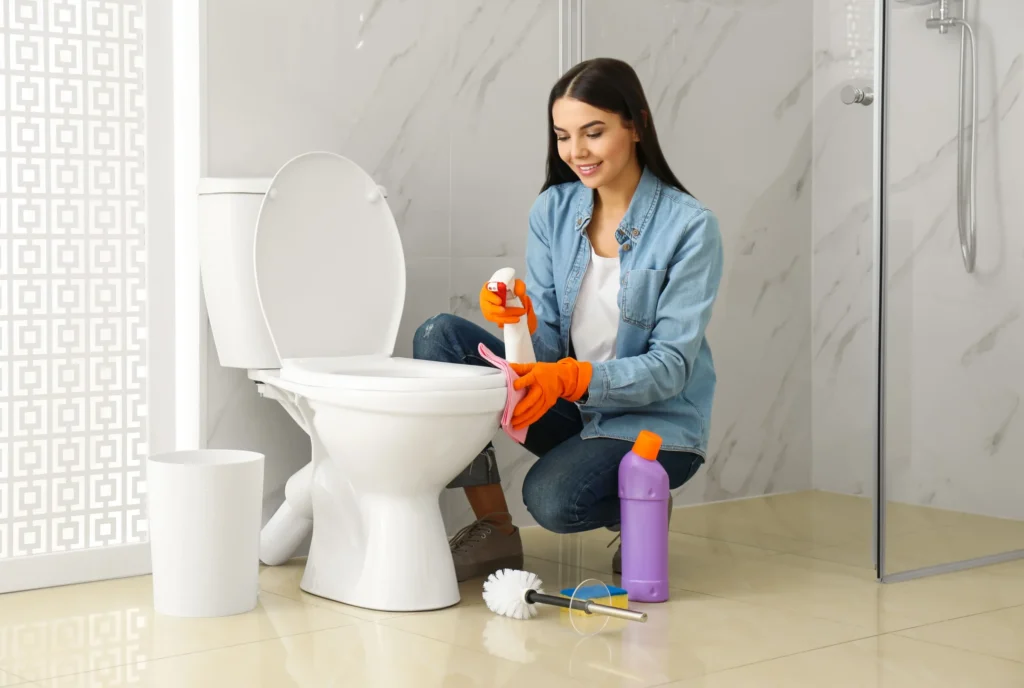
Rubber gloves. Protect your hands from chemicals and smells.
Small brush or old toothbrush. Useful for tight spots near the waterline.
Bucket and cleaning cloths. For rinsing and wiping.
Tested Methods to Remove Toilet Bowl Rings
There are a few simple yet efficient ways to remove a toilet bowl ring, depending on how stubborn the buildup is and what you have available. We’ll go through a few tested options so you can choose what makes the most sense for your toilet. So, how to remove the toilet bowl ring?
Method 1 — Vinegar and Baking Soda
This method works well for most toilet bowl rings caused by hard water. Pour white vinegar into the bowl and use a brush to spread it around the waterline. Add baking soda and let it do its job for about 10-15 minutes. Scrub the ring with a toilet brush, focusing on stained areas, then flush. It’s simple, low-cost, and efficient.
Method 2 — Pumice Stone Scrubbing
This method is best for stubborn toilet bowl rings that won’t come off with vinegar alone. Use a pumice stone made for toilet cleaning, not one meant for skincare. Wet the stone and the bowl, then gently scrub the stained area. Use light pressure and keep the surface wet to avoid scratches. Once the ring is gone, flush to rinse. Be gentle, or you may damage your toilet.
Method 3 — Commercial Toilet Bowl Cleaners
Commercial toilet bowl cleaners are a hands-off option for removing toilet rings without scrubbing. You pour the cleaner into the bowl, let it sit as directed, then flush. It’s simple and doesn’t require scrubbing right away. These cleaners usually won’t remove the toilet ring in one try, but using them regularly can slowly fade the ring over time. This method works best if you don’t want to scrub and prefer a gradual, hands-free fix instead of a personal deep clean.
Method 4 — Alternative Natural Solutions
A straightforward option is citric acid or lemon juice, which uses natural acids to clean mineral stains before scrubbing. Another is a borax-and-vinegar mix: sprinkle borax around the ring, pour in vinegar, let it sit, then wash and flush. You can also use denture cleaning tablets: drop a few into the bowl, let them dissolve and fizz overnight, then brush and flush in the morning.
How to Use a Toilet Brush Effectively
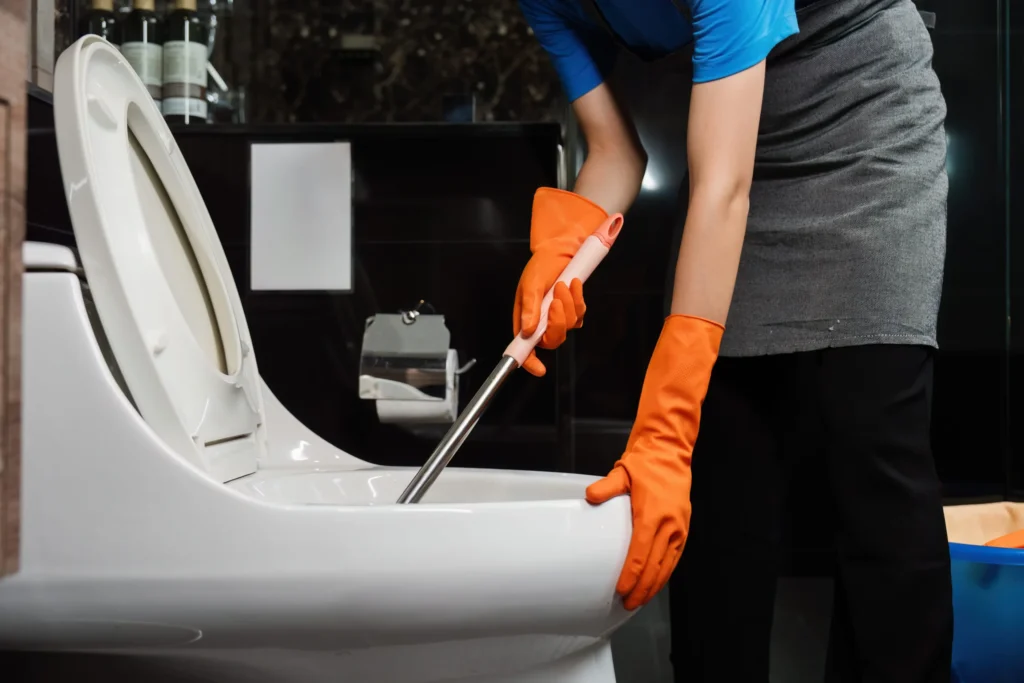
Flush first to wet the bowl. Add cleaner under the rim and around the waterline, then wait a few minutes so it can loosen the buildup. Scrub the waterline first (that’s where rings usually form), then scrub under the rim and around the rest of the bowl.
Scrub with some pressure but not super hard. That cleans better and helps avoid splashing. When you’re done, flush again, then rinse the brush in clean water. Let it drip over the bowl for a few seconds before putting it back in the holder.
Preventing Toilet Bowl Rings From Returning
Start with regular cleaning. Cleaning the toilet at least once a week prevents mineral and bacterial buildup before it forms a ring, which is more challenging to remove.
Flush toilets you don’t use often. Infrequently used toilets can accumulate stagnant water, which can allow minerals and bacteria to settle. Flushing once every few days keeps water moving.
Use small maintenance steps between deeper cleans. Pouring a bit of white vinegar into the bowl once a month and letting it sit helps prevent mineral deposits from forming a ring.
If you’re dealing with hard water, consider a water softener or tank tablets.
Why Sometimes It’s Better to Turn to Cleaning Professionals
Sometimes toilet bowl rings get so old and tough that home methods just can’t handle them. Scrubbing harder or using stronger products can actually do more harm than good. You can scratch the porcelain, damage the finish, or make stains more complicated to deal with later. At that point, pushing harder is usually pointless.
Cleaning professionals in Green Bay, WI, know how to handle tough jobs without damaging fixtures. They have the right tools, products, and experience to address long-term stains and hidden grime safely. If you’re tired of trying fix after fix, calling home cleaning services in Green Bay, WI can be a good idea. Apartment cleaning, commercial cleaning, and deep cleaning services are especially helpful when the problem is beyond what you can handle on your own.
Graymond Santos writes the blog posts for Badger Luxe Cleaning, sharing practical tips and creative insights on cleaning and organization. He studied Electronics Engineering for two years at the Technological University of the Philippines in Manila and graduated with honors from Cavite National High School under the Science, Technology, Engineering, and Mathematics (STEM) strand. As part of a group, he contributed to Viajero, a Best Research Award-winning app that celebrates innovation, technology, and the history of Cavite. A lifelong writer and former student journalist with a focus on science and technology, Graymond brings curiosity, creativity, and thoughtful perspective to every post.