
For standard wear like faded wall paint and light traffic patterns on carpet, the landlord must cover the costs of maintenance and turnover. For actual tenant-caused damage like deep floor gouges, pet stains, or trash left in the unit, the landlord can legally deduct repair costs from the security deposit. Under Wisconsin law, landlords cannot deduct the cost of routine, standard cleaning from a security deposit to prepare a unit for the next tenant. To avoid security deposit disputes, tenants should document the unit’s condition at move-out, and landlords should hire a specialized service to handle deep cleaning tasks. This guide outlines the legal boundaries between normal deterioration and negligent damage in Wisconsin rental properties so both parties can protect their financial interests.
Normal Wear and Tear vs Damage: The Move-Out Standard in Wisconsin
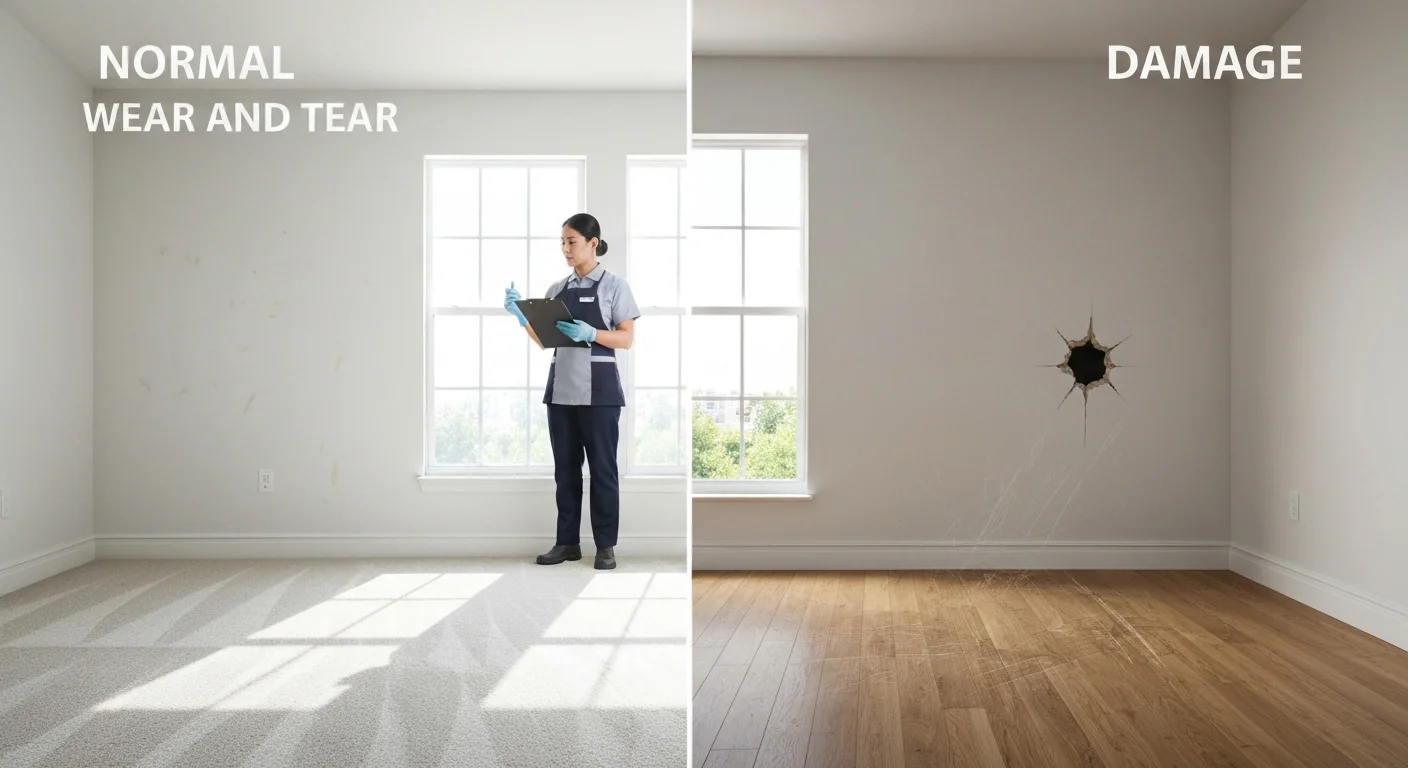
The standard for distinguishing normal wear and tear from actionable property damage under Wisconsin law depends entirely on whether the deterioration resulted from ordinary, everyday living or from tenant negligence, abuse, or accident. Wisconsin Administrative Code ATCP 134.06 strictly prohibits landlords from withholding any portion of a tenant security deposit for normal wear and tear. This means that routine wear is considered a cost of doing business for property owners. Landlords must absorb the expense of refreshing the property between tenants when the previous occupant kept the home in a reasonably clean and maintained condition.
According to a civil justice study by the Pew Charitable Trusts, security deposit and property condition disputes are among the most common causes of small claims litigation between landlords and tenants nationwide. To prevent these legal battles, Wisconsin statute requires landlords to follow a strict timeline and documentation process. Once a tenant vacates the property, the landlord has exactly 21 days to return the security deposit. If any deductions are made, the landlord must provide a detailed, written, itemized statement listing the exact nature and cost of each repair or cleaning charge.
If you are managing or renting a property in Green Bay, WI, staying compliant with these rules is essential for a smooth transition. Nathan Jonet and Nate Vincent co-founded Badger Luxe Cleaning to resolve the reliability issues and inconsistent standards that frequently plague the local cleaning industry. Our professional crew works closely with property managers and residents across Wisconsin to ensure rentals meet strict move-out standards. Scheduling a professional move-out cleaning is one of the most effective ways for tenants to secure their full deposit return while giving landlords a market-ready property.
To establish a clear baseline of responsibility, property owners and tenants should understand how Wisconsin courts generally classify different types of property deterioration. Standard, expected wear includes:
- Fading of paint and wallpaper caused by exposure to natural sunlight.
- Minor scuff marks along hallways or near baseboards from normal foot traffic.
- Standard flattening of carpet fibers in high-traffic pathways.
- Light dust, minor hard water buildup on plumbing fixtures, and worn door hinges.
In contrast, tenant damage involves physical harm that reduces the value of the property and requires significant repair or replacement. Common examples of tenant damage include:
- Large holes in drywall from television mounts, heavy anchors, or physical impacts.
- Deep gouges, scratches, or water stains on hardwood flooring.
- Unapproved renovations, such as painting walls in bright colors without permission.
- Accumulated trash, moldy appliances, or biological waste left behind in the unit.
How to Identify Normal Wear and Tear vs Damage on Apartment Walls
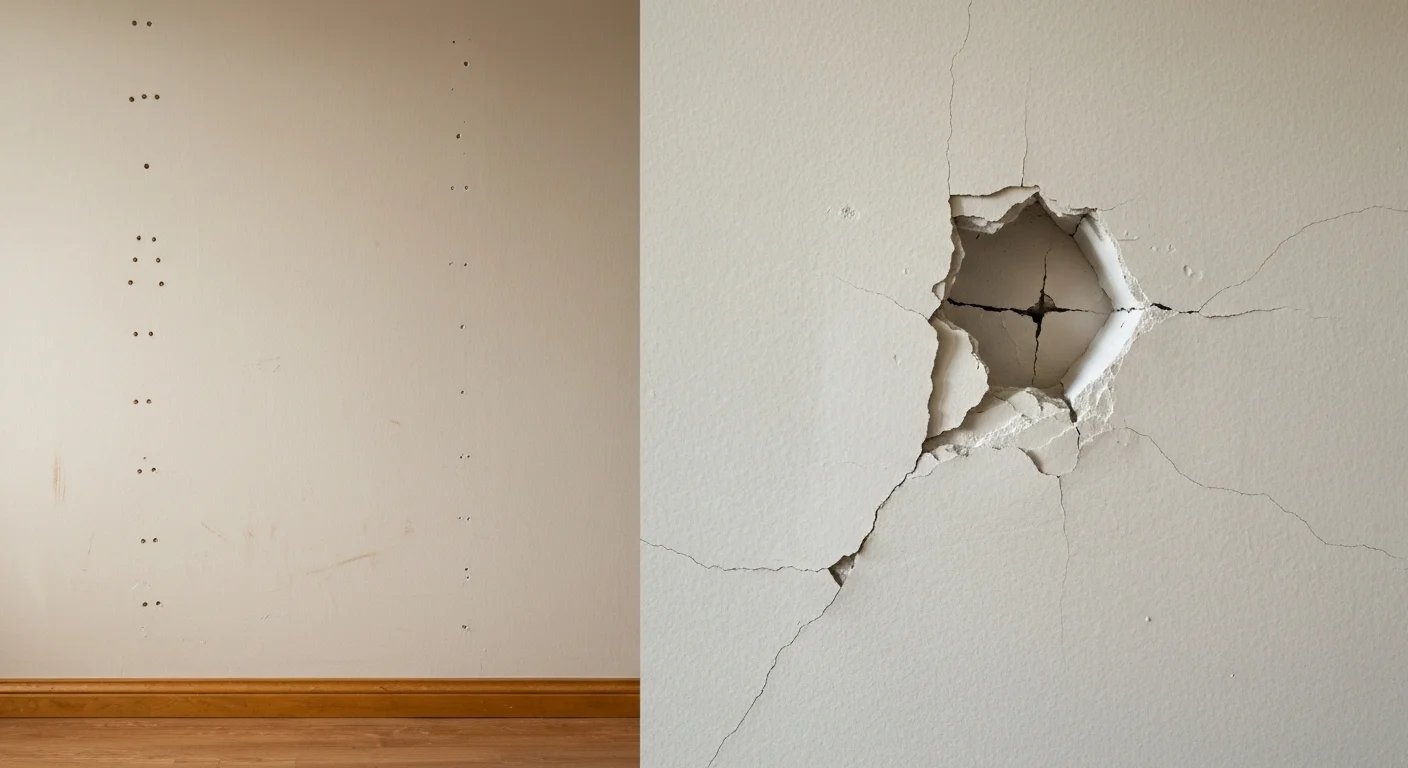
Wall damage is distinguished from normal wear and tear by the size, depth, and cause of the marks left on the drywall or plaster surfaces. Wisconsin landlords expect tenants to hang a reasonable number of pictures, mirrors, or decorative items during their tenancy. Consequently, small nail holes from standard picture hooks are generally classified as normal wear. These tiny holes are easily filled with a dab of spackle during routine turnover painting, which is the landlord’s responsibility.
However, wall-mounted televisions, heavy shelving units, and large mirrors require heavy-duty drywall anchors or toggle bolts. When these anchors are pulled out or left in the wall, they leave gaping holes that compromise the structural integrity of the drywall. These large holes require professional patching, sanding, and localized priming. Landlords can legally deduct the cost of these specialized drywall repairs from the security deposit because they exceed normal daily use.
Paint and surface finishes also have a natural lifespan that landlords must respect. Over several years, paint naturally fades, yellows, or develops minor scuffs around light switches and doors. A professional landlord cannot charge a tenant to repaint a room that has not been painted in several years, as paint depreciates over time. Conversely, if a tenant draws on the walls with crayons, allows grease to splatter across the kitchen drywall, or paints a room an unauthorized color, this constitutes damage. The landlord can deduct the cost of applying stain-blocking primers and restoring the walls to their original color.
An expert recommendation to avoid wall-related disputes is to skip DIY drywall patching unless you have the professional tools to match the wall texture. A common tenant mistake is filling small nail holes with low-grade white putty or toothpaste right before moving out. This leaves ugly, mismatched white spots across textured walls, forcing the landlord to repaint the entire surface. If you are a tenant, leave small nail holes alone or hire a professional to ensure the repair matches the surrounding wall texture.
Evaluating Carpet Damage vs. Standard Floor Wear and Tear
Evaluating floor deterioration requires looking closely at the difference between the physical breakdown of flooring materials and superficial wear from daily foot traffic. Floors take more daily abuse than any other part of a rental property. Because of this high exposure, disputes over carpet cleaning and hardwood repair are incredibly common during final walk-through inspections. Recognizing where natural wear ends and tenant liability begins can save both parties hundreds of dollars.
Carpets naturally lose their pile and color over time, particularly in busy areas like entryways, living rooms, and hallways. According to a consumer guide by the National Association of Home Builders, the average lifespan of a standard rental-grade nylon carpet is approximately five to ten years. If a tenant lives in a property for five years, the landlord cannot charge them for the full replacement cost of a worn carpet, as the material has reached the end of its natural life. Normal wear includes standard fiber matting, minor fraying at doorways, and slight color fading from sunlight.
Carpet damage, however, involves permanent structural or chemical changes to the fibers that standard maintenance cannot fix. This includes cigarette burns, iron marks, large permanent stains from red wine or bleach, and physical tearing from heavy furniture dragging. Furthermore, severe pet urine odors and deep biological stains are always classified as tenant damage. Resolving pet contamination often requires replacing the underlying carpet pad and sealing the subfloor, the costs of which can be fully deducted from the security deposit.
Hardwood, laminate, and tile floors follow similar guidelines. Fine, hairline scratches in the polyurethane finish of a hardwood floor are normal wear from walking. Deep gouges that penetrate into the raw wood, cracked or chipped ceramic tiles, and buckled laminate boards from standing water are clear examples of damage. Tenants are responsible for keeping water off the floors and avoiding dragging heavy items without protective felt pads.
Is Carpet Cleaning Normal Wear and Tear in Wisconsin?
Routine carpet cleaning is legally classified as standard turnover maintenance in Wisconsin, which means landlords cannot automatically deduct a standard carpet cleaning fee from a security deposit. Wisconsin Administrative Code ATCP 134.06 strictly limits what a landlord can charge for at move-out. A landlord cannot include a boilerplate lease clause that automatically charges every departing tenant a flat fee for professional steam cleaning, regardless of how clean the carpet is left.
To legally charge a tenant for carpet cleaning, the landlord must prove that the carpet is soiled beyond the level of normal daily wear. If the carpet has visible mud, dark stains, heavy grease, or strong odors, the tenant has failed to maintain the property in a reasonable state of cleanliness. In these cases, the landlord is fully permitted to hire a professional cleaning crew and deduct the actual cost of the treatment from the security deposit. The landlord must document this dirtiness with clear photographs and provide the tenant with an itemized invoice showing the exact cleaning charges.
There is a specific legal mechanism under Wisconsin law known as a Nonstandard Rental Provision. For a landlord to charge for specific maintenance items that do not fit standard damage definitions, the provision must be written on a separate document, discussed with the tenant, and individually signed or initialed by the tenant at the start of the lease. Even with this provision, landlords cannot use it as a loophole to charge for ordinary, wear-and-tear soilage that naturally occurs over years of tenancy. The courts heavily protect tenants from automatic, hidden fees that do not reflect actual damage or neglect.
Can a Landlord Deduct a Cleaning Fee from a Security Deposit?
A landlord can legally deduct a cleaning fee from a security deposit, but only when the tenant leaves the rental unit in a state of cleanliness that falls below a reasonable, clean standard. Under Wisconsin law, a tenant is expected to return the property in a “broom-clean” or reasonably sanitary condition. If the tenant leaves the property dirty, greasy, or filled with personal trash, the landlord has the right to hire a professional cleaning service and deduct those labor costs from the security deposit.
To help clarify these boundaries, review the following operational standards applied by property managers and cleaning professionals:
- Light dust and standard wear: Landlords cannot deduct for light dust on baseboards, minor water spots on a shower head, or a small amount of crumbs in a cabinet drawer. These minor items are addressed during routine turnover prep.
- Kitchen neglect: Landlords can deduct for a stove caked in burnt grease, a refrigerator left with rotting food spills, or range hoods covered in thick oil. These conditions require intensive deep cleaning.
- Bathroom grime: Landlords can deduct for thick soap scum on tub walls, mold growing on tile grout due to lack of ventilation, or heavily stained toilet bowls.
- Debris and trash removal: Landlords can deduct for any furniture, boxes, or trash left behind inside the unit, in the garage, or near the curb. The tenant is responsible for the full cost of hauling and disposal fees.
According to safety and sanitation standards set by the U.S. Department of Housing and Urban Development, maintaining a sanitary living environment is essential for the health of occupants. If a tenant’s neglect leads to pest infestations or mold growth, they can be held financially responsible for the remediation costs. Review our comprehensive Move-Out Cleaning Cost Guide to understand the typical rates for professional cleaning services. Generally, a professional move-out clean ranges from $150 to $400 for a standard apartment and $250 to $600 for larger single-family homes, depending on the square footage and overall level of buildup.
Quick Reference Matrix: Wear vs. Damage by Surface
The easiest way to resolve a move-out dispute is to look at the exact difference between daily aging and physical damage across every surface in the rental. Both landlords and tenants should use this breakdown to evaluate the property’s condition before the final walk-through inspection.
| Surface or Area | Normal Wear and Tear (Landlord’s Cost) | Property Damage (Tenant’s Liability) |
|---|---|---|
| Walls & Paint | Faded paint, tiny picture nail holes, light scuffs in halls. | Large anchor holes, drywall cracks, drawings, unauthorized paint. |
| Hardwood & Laminate | Light scratches in the finish, minor dulling over time. | Deep gouges into the wood, water warping from pet bowls or leaks. |
| Carpeting | Traffic flattening, slight fading from windows. | Cigarette burns, pet urine stains, heavy wine or oil spills. |
| Windows & Blinds | Light dust, cords that are slightly stiff from age. | Cracked glass, bent or broken slats, missing window screens. |
| Kitchen & Bathroom | Worn caulking, minor hard water spots on chrome. | Thick baked-on grease in oven, chipped porcelain, grout mold. |
Badger Luxe Cleaning: Your Trusted Move-Out Partner in Green Bay, WI
If you are preparing to move out of a rental or preparing a property for a new tenant in Green Bay, WI, achieving a professional standard of cleanliness is the most reliable way to avoid disputes. Nathan Jonet and Nate Vincent established Badger Luxe Cleaning to bring exceptional quality and absolute reliability to the local cleaning market. We handpick and background-check every independent contractor in our network, ensuring that your property is cared for by trustworthy professionals. Our operations are managed daily by Jerry, our Operations Manager, while Chey provides prompt administrative support to keep your scheduling seamless.
We do not believe in forcing our clients into rigid, long-term contracts. Instead, we offer customized cleaning plans tailored specifically to your property’s unique layout and needs. We use eco-friendly, non-toxic products that are safe for your family, your pets, and the environment. We are also incredibly proud to sponsor the Cleaning for a Reason nonprofit, which provides free home cleanings for cancer patients across the United States. Whether you need a comprehensive move-out clean, a detailed deep clean, or regular commercial maintenance, our team delivers spotless results every single time.
We operate seven days a week from 8:30 AM to 6:30 PM, making it easy to schedule your service around busy moving days. Contact us today at (920) 777-9609 to discuss your needs, or visit our booking page to request your free quote online. As an active promotion, we are currently offering $50 off your very first cleaning service with us.
FAQ — Wisconsin Tenant Security Deposit Questions
Can a landlord deduct cleaning from a security deposit if I already cleaned before leaving?
Yes, a landlord can deduct cleaning costs if your self-cleaning did not restore the unit to a reasonably clean, sanitary condition. If you did a basic sweep but left grease in the oven, dust on the fans, or grime in the bathrooms, the landlord can hire a professional to fix those spots. Booking a professional move-out clean ensures the property meets a high, market-ready standard.
How do I prove that damage was pre-existing?
You can prove pre-existing damage by taking clear, date-stamped photographs and videos of the entire property on your move-in day. Compile these images into a digital folder and email them to your landlord immediately so there is a documented paper trail. Recording these details on your initial move-in checklist prevents the landlord from holding you responsible for previous wear.
Which is better for securing a deposit: standard cleaning or deep cleaning?
For move-out purposes, a dedicated move-out deep clean is the best choice because it targets hidden areas that landlords check during walk-throughs. While standard maintenance keeps a home tidy, a move-out service includes cleaning inside cabinets, scrubbing appliances, and sanitizing baseboards. We offer tailored apartment cleaning plans designed to handle these detailed tasks and protect your security deposit.
When should you hire a professional move-out cleaner?
You should hire a professional move-out cleaner if you are short on time, have pets, or want to guarantee the return of a large security deposit. Professional cleaners have the heavy-duty equipment and training to lift stubborn stains and grease that standard household products cannot remove. This upfront service fee is often much less than the security deposit deductions a landlord might charge for subpar cleaning.
Is a dirty oven considered property damage?
No, a dirty oven is classified as a cleaning issue rather than physical property damage. A landlord cannot deduct the cost of a brand-new oven from your deposit just because the glass door is covered in baked-on grease. However, they can legally deduct the hourly labor cost required to clean the oven back to a clean, usable condition.